Data visualizations for a changing world
The Google Public Data Explorer makes large datasets easy to explore, visualize and communicate. As the charts and maps animate over time, the changes in the world become easier to understand. You don't have to be a data expert to navigate between different views, make your own comparisons, and share your findings.
Students, journalists, policy makers and everyone else can play with the tool to create visualizations of public data, link to them, or embed them in their own webpages. Embedded charts and links can update automatically so you’re always sharing the latest available data. Here’s an example of an embedded visualization:
This chart correlates life expectancy and number of children per woman for most economies of the world. The bubble sizes show population, and the colors represent different regions of the world. You can also click on the play button to see data change over time. The Explore data link in the bottom right corner brings you to the explore tool that lets you play with the data by highlighting regions, switching variables, or even adjusting the scale. Learn more by visiting our FAQ and checking out our tutorial.
Publish and discuss
This is a Google Labs project, which means it's work in progress. We are making it available now to gather feedback, but also to get in contact with public data providers who want to try publishing some data on this new platform. If you have data that deserves a broader audience, please tell us about it.
More examples
In the 1960's, families were big and life expectancy was low. Since then, families have gotten smaller, and life expectancy longer, in most countries. Data from: World Development Indicators - World Bank
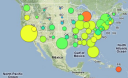
US unemployment started rising in 2008 Data from: Unemployment in the U.S. - U.S. Bureau of Labor Statistics
Some California counties have seen a huge increase in personal income per capita since 1969 Data from: GDP and Personal income of the U.S. - U.S. Bureau of Economic Analysis
STD's change since 1984 Data from: Sexually Transmitted Diseases in the U.S. - CDC/NCHHSTP
Unemployment rate for men has caught up with unemployment rate for women in the European Union Data from: Unemployment by sex and age - Eurostat



via google.com